Search By State:
Search By Event
Training Tips
GET READY TO CELEBRATE 25 YEARS AND TAKE THE RIDE OF YOUR LIFE!
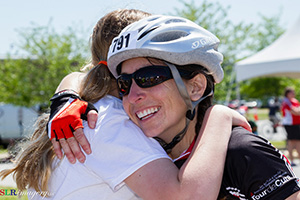
One of the greatest things about riding in the Tour de Cure is the opportunity to train and get in shape. Whether you're a new rider getting ready to ride 10 miles for the first time, or you've decided to challenge yourself and ride a century, we offer routes and training plans for every type of rider.
Online you'll find special training plans designed with you in mind. We've created 12-week plans that will allow you to work up to your designated distance in a reasonable time frame. Plus, we guarantee you'll have fun doing it!
To view our training plans you must be registered as a rider. Once you are registered, simply log in to your Tour Center and click on the Training tab for details.
Here are some basic training tips to get you started:
- When you start to train it's better to train with frequency and not necessarily distance...that is, until you've gotten some miles under your belt.
- If you have diabetes it's always good to bring testing supplies with you so you can check your blood glucose mid-ride.
- Stay hydrated! Always carry at least one, if not two, full water bottles with you when you set out for a training ride.
- Fuel your fire! Just like an engine can't run without gas, your body can't run without fuel. So be sure to bring some snacks with you if you're going to be riding longer than ten miles.
- When you get done with a ride top off your tank with a snack that has a good balance of protein and carbohydrates. It will help your muscles recover faster and you'll feel less sore the next day, plus it will help restore some of the calories you burned working out.
- Learn some basic stretches and use them after every training ride. Flexibility is so important and stretching after exercise will lower your risk for injury.
Additional materials available to our registered riders include:
- Choosing the Right Route
- Couch to 5 miles
- Couch to 10 miles
- Encouragement and Motivation
- Exercise and Healthy Eating Barriers
- Ride Food
- Pre-ride preparation
- Recovery
TRAINING RESOURCES BROUGHT TO YOU BY PERFORMANCE BIKE:
Performance Bicycle® is excited to offer our Go The Distance training series to help casual cyclists prepare for a the Tour de Cure distance you choose whether it’s 30-, 50-, or 100-miles. Go The Distance provides instruction and expert training to give you the support your body and mind need, both on and off the bike, to help make that big goal less intimidating.
Whether you're preparing for a big ride, or your next great one, we can help you get there.
In just 10-weeks, we will have you ready to not just reach your goals, but to look beyond them for new challenges, and the excitement and rewards that cycling offers.
Training includes: (1) one hour-long class on Tuesdays at 6pm and (1) Sunday ride session per week. Dates and times are subject to change.
To get started, all you need is a bicycle and helmet.
Achieve Your Goals.
Visit your local Performance Bicycle store today for details. Talk to an associate to find out how you can participate. $120 for 10 weeks of training. Registration in-store.
RED RIDER TRAINING RESOURCES BROUGHT TO YOU BY YOUGLYCEMIA
Our Cyclist guide will help you on your journey to the start line of the Tour de Cure. It includes a sample training plan, as well as tips on hydration, stretching and more!
TRAINING RIDES
Training rides are offered in many areas of the country; contact your local Tour de Cure Staff to find a ride near you. Training rides are a great way to prepare for the ride and to meet other participants as you train together for the big day!
Registered participants will also receive local training ride information and details by email.
START A CHAIN REACTION! REGISTER TODAY!